
VanScoutFree on Google PlayGet
Free camping · Australia

Free camping in Australia

Where free camping is allowed, the four kinds of land you can use, and how to find caravan-friendly free camps in every state.

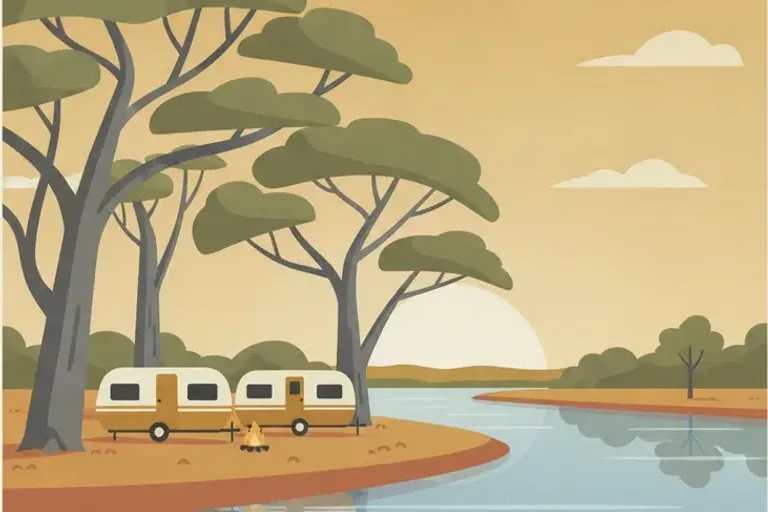
Illustration of an Australian free camp beside a river at golden hour
The short answer

Free camping is legal across Australia on the right land: state forests, some national park campgrounds, Crown reserves, council camps and, in some states, signed rest areas. Stay limits, permits and fire rules vary by state and by site, so the rule is simple. Read the signs, camp only where it is allowed, and leave no trace.

Where to go

The four kinds of land you can free camp on

Almost all free camping in Australia happens on one of four kinds of public land. Each has its own rules, so knowing which one you are on tells you what to expect before you pull in.

Illustration of State forests01

State forests

Public forest

In New South Wales, Victoria and Tasmania, state forest camping is free with no booking. Queensland and South Australia are different: you book and pay before you arrive. Keep to existing clearings off the main track, take your rubbish out, and check for fire or logging closures before you head in.

Free in NSW, VIC and TASBook and pay in QLD and SACheck fire closures
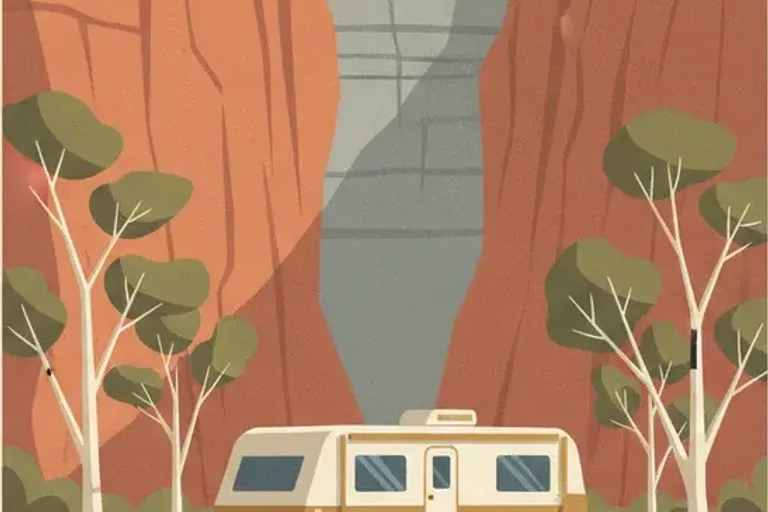
Illustration of National parks02

National parks

Managed parks

Many national parks have low-cost or free campgrounds, but most need a booking even when there is no fee, and gates can close in fire season. Some states also charge to enter: Tasmania needs a parks pass, WA charges $17 a vehicle a day at fee parks, and the NT needs a visitor pass. Book ahead in peak periods and read the park alerts page before you go.

Often needs a bookingSome fees applyCheck park alerts
Illustration of Crown reserves03

Crown reserves

Crown & riverside land

Crown reserves and riverside commons are some of the best free camps in the country, especially along the Murray and the inland rivers. Rules vary from reserve to reserve, so the on-site signs are the final word. Travelling stock reserves are not among them: in NSW camping is not allowed on them.

Riverside favouritesRules vary by reserveRead the signs
Illustration of Rest areas04

Rest areas

Roadside

The rules change at the border. Queensland lets you stop at a rest area for up to 20 hours, and WA and the NT allow up to 24 where it is signed. In NSW you must not camp in a rest area at all, and elsewhere it comes down to the sign at each stop. Where it is allowed, it is for resting, not setting up camp, so keep it to a night and move on.

Rules vary by stateNever in NSWGreat for long hauls
Timing

Chasing the weather

The free-camping year moves with the seasons. Head north through the dry (roughly May to October) for warm, bug-free nights across Queensland, the Territory and the Kimberley, then follow the cool back south for spring and summer in Victoria, Tasmania and the alpine country.

The trade-off down south is fire season, which runs roughly October to April: the NSW Bush Fire Danger Period starts on 1 October, Victoria’s councils declare theirs from as early as October, and Tasmania’s summer campfire bans ran from 20 December to 1 April last season. Total Fire Ban days ban campfires everywhere, and forests can close at short notice. Wherever you are, check the state fire authority and emergency site before you set up.

FAQ

Common questions

Is free camping legal in Australia?

Yes, on the right land. State forests, some national park campgrounds, Crown reserves, council camps and, in some states, signed rest areas allow it, subject to signage. It is not legal on private land without permission, or anywhere a sign or local law prohibits camping.

Do I need a permit to free camp?

It depends on the land and the state. State forest camping needs no permit in New South Wales, Victoria and Tasmania, but Queensland and South Australia make you book and pay first. Many national park campgrounds need a booking even when there is no fee. Always read the signs at the site and check the managing authority.

How long can you stay at a free camp?

It varies with the land. State forests allow weeks: four in New South Wales and Victoria. National park campgrounds set their own limits, often two to four weeks. Council town camps are commonly 24 to 72 hours, and rest areas are for a rest: up to 20 hours in Queensland, 24 in WA and the NT, and no camping at all in NSW. The stay limit is signed at the site, so check it when you arrive.

Are free camps suitable for caravans?

Many are, but not all. Access tracks, turning room and the ground surface vary a lot, so a big rig needs more care than a camper trailer. VanScout tags caravan-suitable free camps and shows the access notes, so you can pick one that fits before you commit to the drive in.

Is there free camping in the ACT?

Barely, and that is why there is no ACT guide here. Parks ACT permits vehicle-based camping only at established campgrounds, where bookings are essential and camping fees apply, so the Territory has no free-camping regime the way the states do. With a van the answer is usually to cross the border: Queanbeyan, Bungendore, Yass and Braidwood are all an easy tow from Canberra.

How do I find free camps near my route?

VanScout brings free camps and caravan parks along your route into one search, with live availability wherever parks support it and a filter for the ones with a dump point, so you can plan the whole trip in one place instead of a dozen tabs.

Plan a trip around free camps

Search free camps and caravan parks along your route, with live availability wherever parks support it and a filter for the ones with a dump point. Start free and have the next trip sorted before the good sites go. Live availability is Premium, free for your first 7 days.

Start planning free

Last updated 6 November 2026