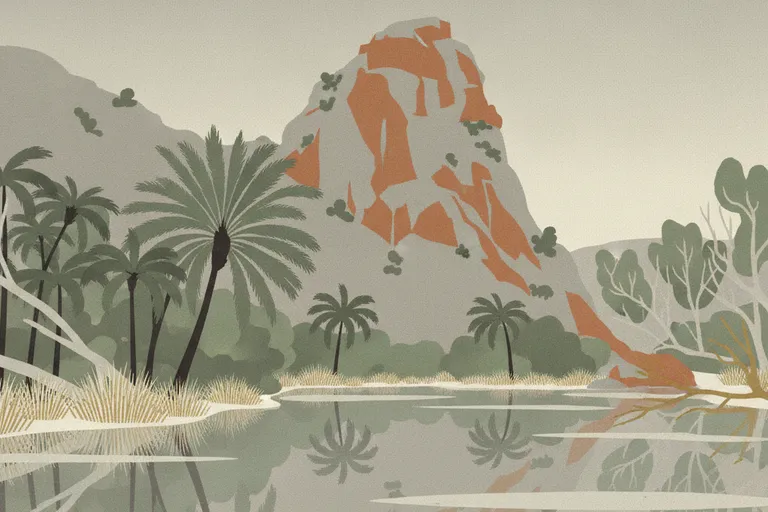
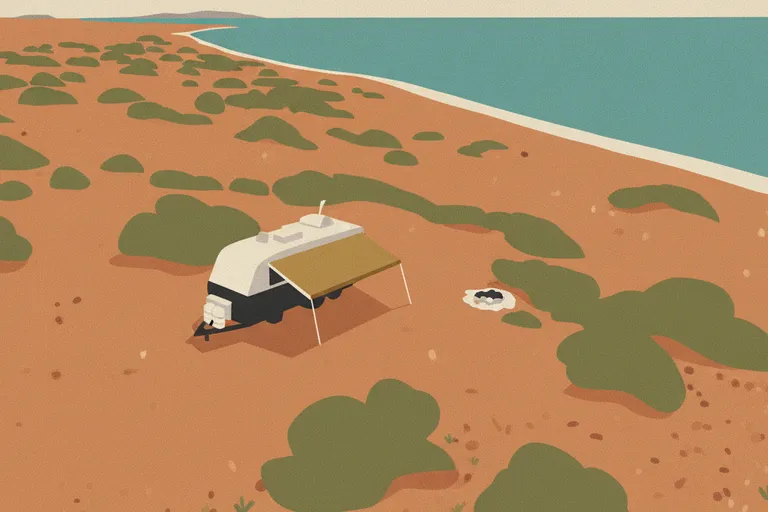
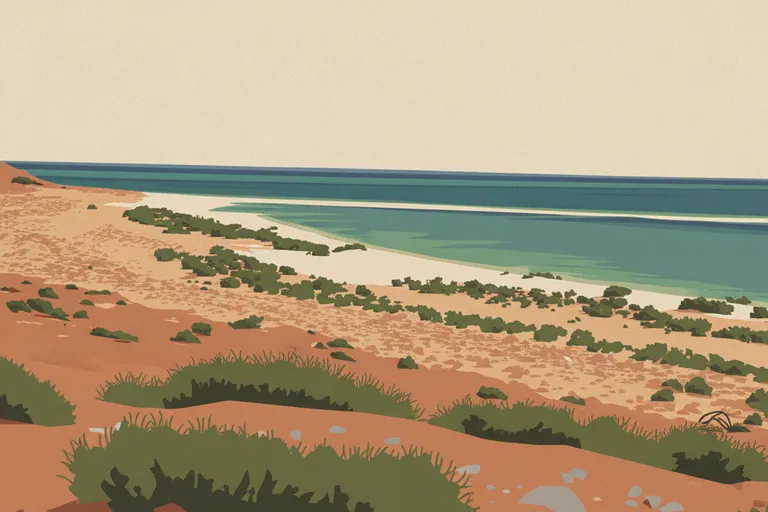
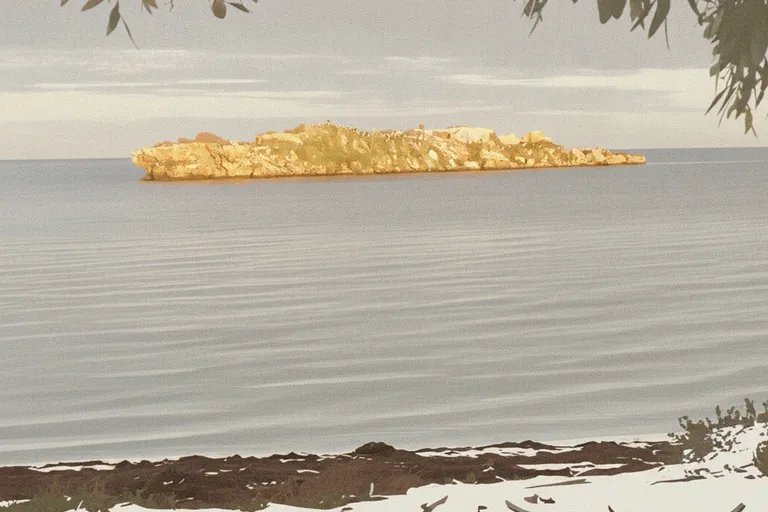
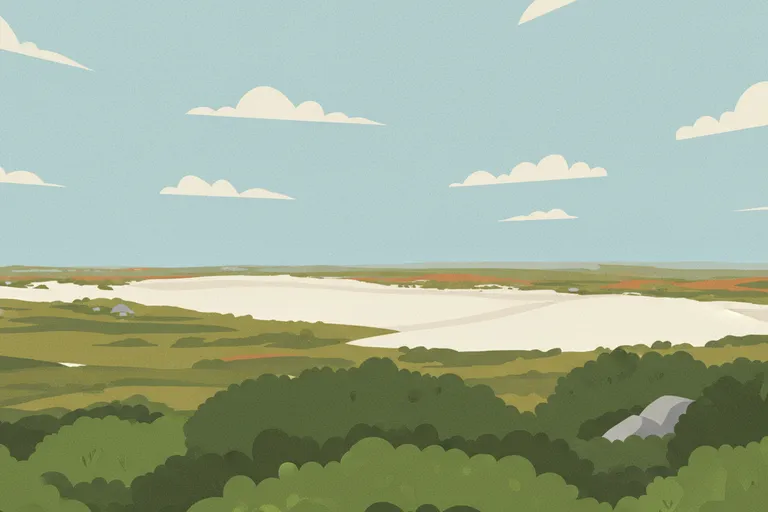
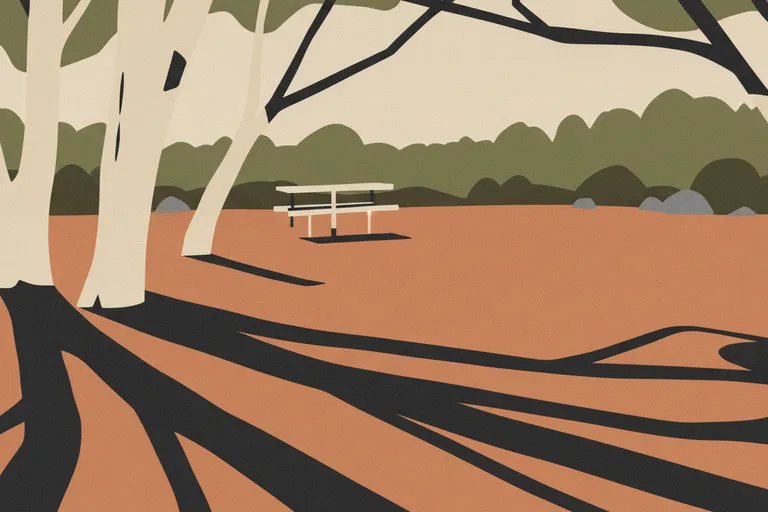
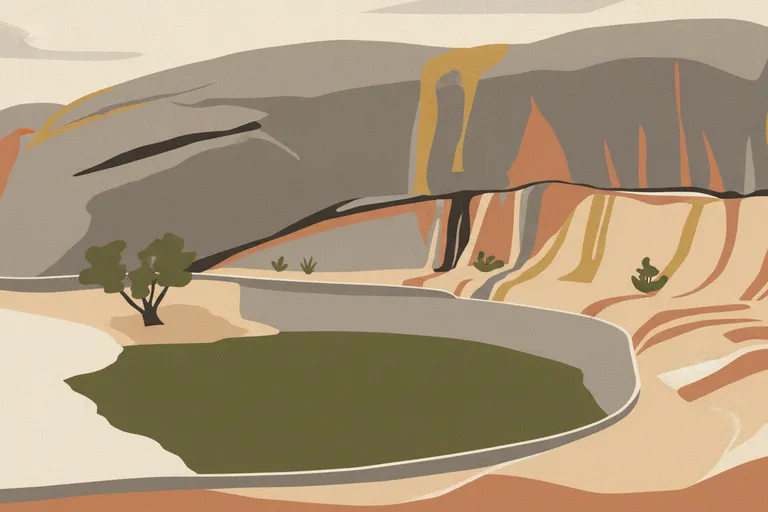
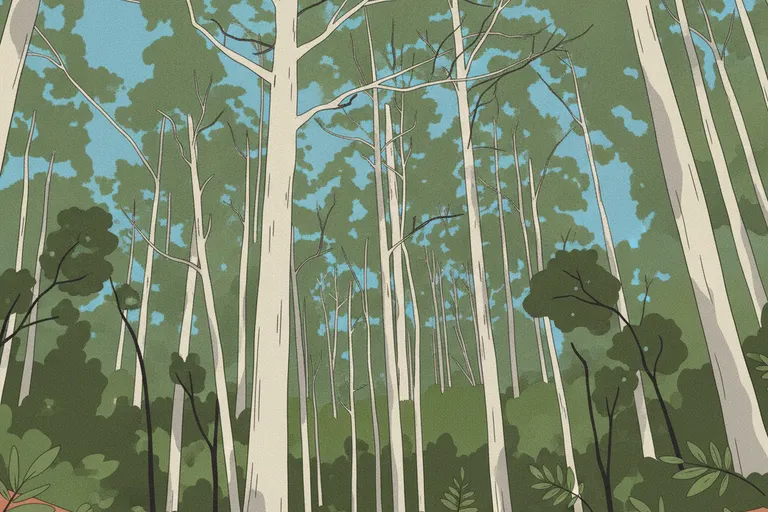
A permanent spring-fed pool ringed by date palms, thought to have been planted by Afghan cameleers in the 1800s, about 40 km from Halls Creek on the unsealed Duncan Road. Halls Creek lists it as free 24-hour camping, with an eco toilet and a rubbish bin and nothing else. A 4WD is advisable because the road can get corrugated, and the Duncan is a different road after rain.
Free camping in Western Australia
What the law actually allows across WA, the 24-hour rest area rule that catches out visitors, and 16 camps worth the drive from the Kimberley to the Great Southern, with the access notes for a van.

There is no general right to camp anywhere in Western Australia. The law allows a licensed park, up to 24 hours at a signed roadside rest area, a designated campground in a national park or reserve, or shire and Crown land with the manager’s permission. Everything else needs a sign or an approval.
The rules, at a glance
| Where | Max stay | Permit required | Where it's prohibited | Fine range | Source |
|---|---|---|---|---|---|
| Anywhere, the default rule | Nil, unless a regulation 11 exception applies | You may camp only in a licensed park, or under a reg 11 exception | Roadsides, beaches, car parks and bush blocks with no approval | $200 infringement, up to $2,000 on conviction (reg 10) | Caravan Parks & Camping Grounds Regs 1997 |
| Roadside rest areas | Up to 24 consecutive hours | None, if the rest area is signed for resting, stopping or camping | A second night; setting up a camp rather than resting | As above: $200 infringement, $2,000 maximum | Main Roads WA |
| National parks & DBCA reserves | Set per campground; one night only at some remote sites | Book popular sites on Park Stay WA; fees $10, $15 or $20 per adult per night | Camping outside a designated campground; dogs in most parks | An offence under the Conservation and Land Management Act 1984 | Explore Parks WA (DBCA) |
| Unallocated Crown land | Only as long as the permission allows | Yes: permission of the Minister for Lands or an authorised officer | Assuming a right to bush camp; pastoral leases without the lessee | $200 infringement, up to $2,000 (reg 10) | Regulation 11(1)(e) |
| Shire reserves & town RV stops | Set by each shire: 24 or 72 hours at Dandaragan’s stops, up to 28 days on Karratha’s coastal reserves | Varies: many free for self-contained rigs, some charge in the peak season | Camping outside marked bays or reserves, including car parks | $200 infringement under reg 10, or a shire’s own local-law fine | Local governments (e.g. City of Karratha) |
| Campfires, statewide | Not a stay rule | No fire in the open air anywhere in a district under a Total Fire Ban | Wood fires, charcoal and solid-fuel BBQs, anything that can throw a spark | $1,000 infringement; up to $25,000 and 12 months jail on conviction | DFES |
| Aboriginal land (Great Central Road) | A transit permit is generally issued for no more than three days | Yes: a free transit permit per vehicle, applied for weeks ahead | Leaving the road corridor; entering communities without approval | Entry is controlled under the Aboriginal Affairs Planning Authority Act 1972 | Planning, Lands & Heritage |
16 camps worth the drive across WA
A mix of genuinely free bush and coastal camps, shire reserves and low-cost park campgrounds, chosen for caravan access and spread from the Kimberley to the south coast. Each note states the cost and the permit position honestly, because in WA those are the two things that catch travellers out. Facilities change with the seasons, so confirm with the land manager before you commit to the drive in.
One of the best-known stops on the Great Northern Highway, on the Mary River between Fitzroy Crossing and Halls Creek. It is a Main Roads rest area rather than a campground, so the statewide 24-hour limit applies. Main Roads lists toilets, picnic tables and an effluent dump site, but no water and no power.
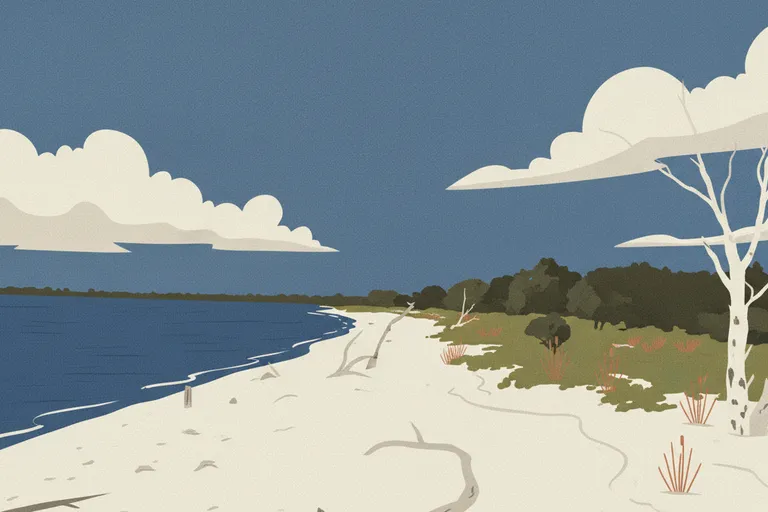
A natural coastal camping area at Gnoorea Point run by the City of Karratha, and a Pilbara fishing institution. From 1 May to 30 September it is $16 a night with 28 days allowed in any three months. Outside that it is free, capped at three nights in 28 days. Every site must carry a chemical toilet, there is no drinking water, and sullage points are provided.
A long stretch of beachfront camping about 20 minutes north-west of Karratha, on the same council scheme as 40 Mile: $16 a night from 1 May to 30 September, free and capped at three nights the rest of the year. Fishing off the beach and at the creek mouth is the draw, and there is a natural boat launch. It closes on a cyclone Yellow Alert.
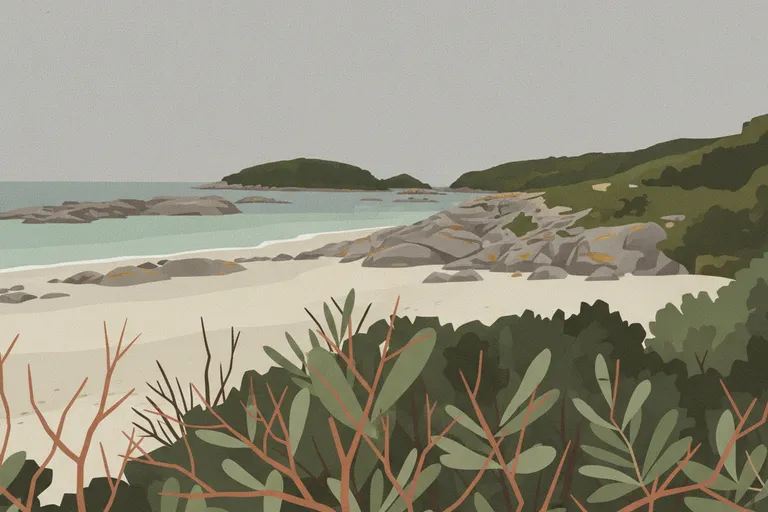
Five small beachside sites of quite different sizes on the Peron Peninsula, 22 km from Denham on unsealed road rated for 2WD and AWD in good conditions. Strictly one night, booked ahead on Park Stay WA at $10 an adult, and there are no facilities at all: you carry a sealed-unit toilet and every litre of water. No campfires at any time. Dogs are allowed on a leash.
A Shire of Coorow eco camping node on the coast between Leeman and Green Head, with shade shelters, barbecues, picnic settings and long-drop toilets a short walk from the beach. It is $35 a site a night for up to six people, booked online only, with a four-day maximum stay, and there is no water, no power and no fires. Pets are welcome on leads.
A free Shire of Dandaragan rest stop on Cervantes Road near Jurien Bay, with a 24-hour maximum and no facilities of any kind. It is open to fully self-contained rigs only, which the shire defines as carrying at least 20 litres of drinking water, a grey-water tank and a portable toilet cassette. Campfires follow the shire firebreak notices, generally April to August.
The 72-hour version of the same Shire of Dandaragan scheme, a little further down Cervantes Road, and the better pick if you want more than a night on the Turquoise Coast without paying park rates. Same conditions: free, self-contained only, no toilets and no water on site, generators off between 9pm and 8am, pets on a lead or confined.
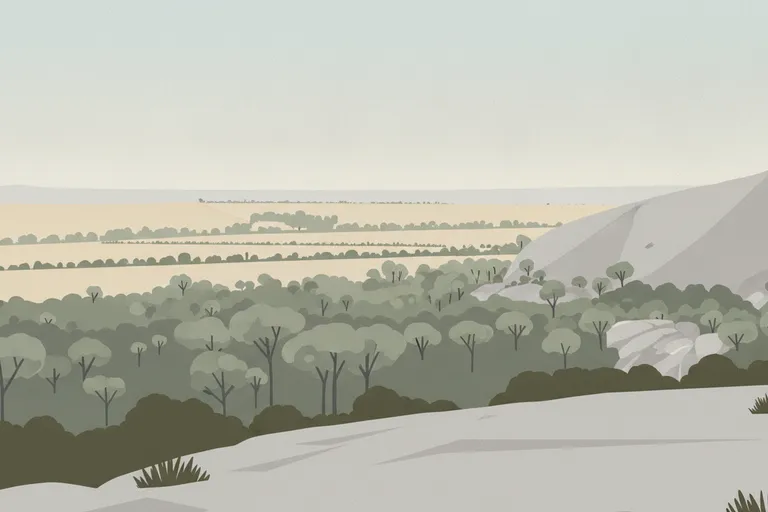
A free camp at the base of a granite outcrop 70 km north of Mukinbudin, on the Wheatbelt Way self-drive trail. The shire lists easy caravan access, picnic tables, barbecues, a toilet, interpretive signage and a marked walk trail. The rock carries the largest rock water catchment tank in Australia, built in 1937, and the trail passes a balance boulder, a gnamma hole and Kalamaia hand paintings.
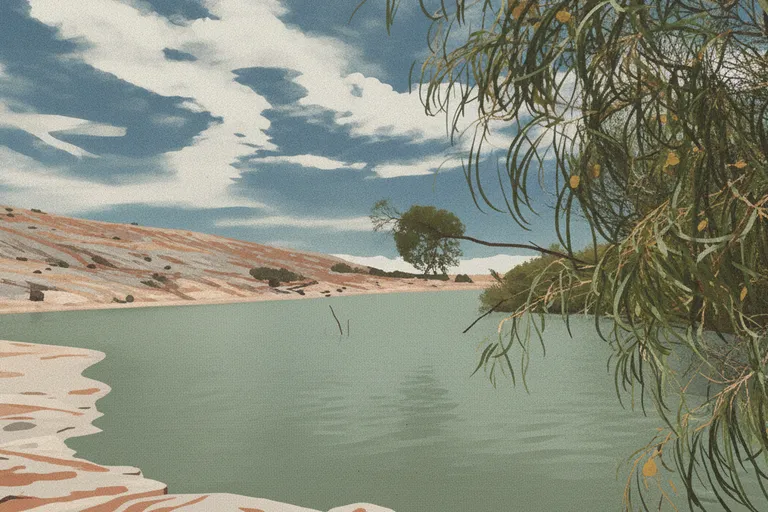
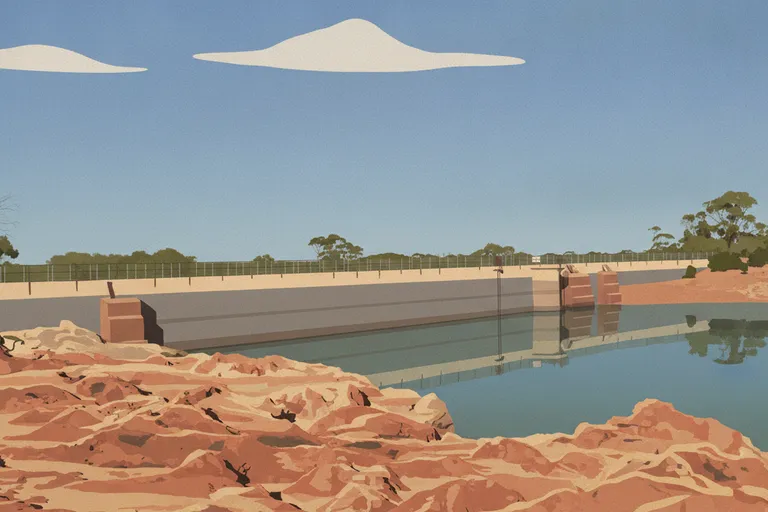
A free camp in the reserve around a 1929 granite catchment dam, 14 km south of Bencubbin on the Bencubbin-Kellerberrin Road and managed by the Shire of Mount Marshall. Camping is allowed in the designated areas, with a picnic shelter, a waterless toilet and fire pits. The water is untreated so swimming is out, but a kayak, the birdlife and the wildflower season are not.
A genuinely free DBCA campground in Burra Rock Conservation Park, 55 km south of Coolgardie in the Great Western Woodlands. No fees, no bookings, first come first served, with toilets, picnic tables, barbecue fire rings, an information shelter and a granite catchment dam. Carry all your drinking water. No dogs, and the access roads can close after rain.
A free Shire of Menzies camping reserve at an 1897 railway dam, 60 km north-east of Menzies near the Kookynie ghost town. Unpowered sites take caravans, campers and tents, and the shire provides environmentally friendly flushing toilets, a chemical dump point and concrete fire pits, subject to seasonal bans. Access is unsealed but rated for 2WD, so check conditions after rain.
A Shire of Murray campground on the Harvey Estuary shore about an hour south of Perth, and the closest thing to a bush camp within reach of the city. Sites are unpowered, $27.50 a site a night, and must be booked online through the Dwellingup visitor centre, with no walk-in camping. Flush toilets and a boat ramp, but no showers and no drinking water. Five nights maximum in any 21 days.
Cosy Corner East, a City of Albany coastal campground 35 km west of town, in peppermint woodland above the beach. The East campground has 21 caravan bays on the upper terrace and an RV dump point on site, which is rare at this price: $15 a night for two adults and two children. 2WD access, a seven-day maximum, no fires at any time, dogs on a lead, and the water on site is not drinkable.
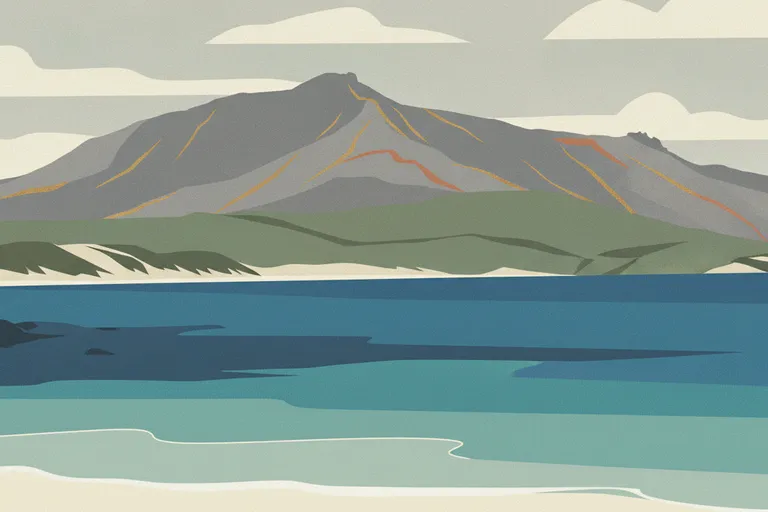
A free City of Albany campground 50 km east of town with direct beach access and public toilets. The City warns that the access road is extremely steep with small turn-around areas, so it suits a small rig and a careful driver. Camping is closed from mid-February through April for the professional fishing season. No drinking water, no fires at any time, and dogs are allowed on a lead.
A small forest campground in D’Entrecasteaux National Park about 500 m from Lake Yeagarup, in the karri country south of Pemberton. Ten unpowered sites plus a group site, a pit toilet, sheltered picnic benches and fire rings at three sites only. Bookings are essential, camping is $15 an adult a night, and the park entry fee of $17 a vehicle applies unless you hold a park pass. No drinking water, and no dogs because the park is baited with 1080.
When to go: WA is really two travel seasons
North of about Carnarvon, the calendar runs on the wet and the dry. The dry season, roughly May to October, is when the Kimberley and Pilbara are open for business: warm days, cool nights, firm roads and the coastal camps at their busiest. The wet, roughly November to April, brings heavy rain, high humidity and cyclones. The Gibb River Road is often closed from December to April, towing on unsealed roads through the wet is not recommended, and coastal camps close on short notice: the City of Karratha shuts Cleaverville and 40 Mile when a cyclone Yellow Alert is issued and reopens on the All Clear. Check Main Roads and the local shire road report before you commit to a Kimberley leg.
South of Perth the governing season is fire. Each local government sets its own restricted and prohibited burning periods, and those dates move with the conditions, so a campfire that was legal last week may not be this week. On a Total Fire Ban day, DFES bans any fire in the open air across the affected district, including wood fires and solid-fuel barbecues such as kettle grills. The penalties are serious: a $1,000 infringement, and up to $25,000 and 12 months jail on conviction. Several of the camps on this page ban fires outright, all year: the City of Albany allows none at its campgrounds except Cape Riche. Carry a gas cooker and treat it as your default, but know that on a Total Fire Ban day even gas is allowed only at home or in a public or signposted BBQ area, and generators on bush land must stay off. The DFES total fire ban line is 1800 709 355.
The shoulders are the sweet spot in the middle of the state. August to October brings the wildflower run through the Mid West, Wheatbelt and Goldfields, and it is also when the granite rock camps like Beringbooding, Waddouring Dam and Burra Rock are at their best: mild days, firm gravel, and enough water in the gnamma holes and catchment dams to see why they were built. The catch is rain on unsealed roads. Tourism WA notes that the access roads to Burra Rock can close after rain, and the same applies to most of the Goldfields and Wheatbelt reserves, so watch the forecast rather than the date.

Common questions
Can you free camp anywhere in Western Australia?
No. Regulation 10 of the Caravan Parks and Camping Grounds Regulations 1997 says you may camp only at a site in a licensed caravan park or camping ground, or under one of the regulation 11 exceptions. Camping outside those carries a $200 infringement and a maximum fine of $2,000. WA has no general right to bush camp, so the sign or the approval is what makes a camp legal.
How long can I stay at a rest area in WA?
Up to 24 consecutive hours, in a caravan or other vehicle, at an area signed as a roadside rest area. That limit is written into regulation 11(1)(b), and Main Roads is blunt that rest areas are for resting, not camping. With over 1,600 stopping places across the network, they are excellent for breaking up a long haul, but they are not a substitute for a campground.
Do I have to book and pay to camp in a WA national park?
Usually. DBCA camping fees are charged per person per night and scale with facilities: $10 an adult where there are none, $15 with basic facilities, and $20 where there are ablutions or showers, with concession and child rates and no charge for children five and under. The most popular campgrounds must be booked through Park Stay WA, up to 180 days ahead, and many others take no bookings. Parks that charge entry add $17 a vehicle a day, or you can buy a park pass. You must camp only in a designated campground.
Can I take my dog free camping in Western Australia?
Sometimes, and the split is sharp. Pets are generally not permitted in national parks and conservation reserves, with only a short list of dog-friendly DBCA campgrounds, and 1080 fox baiting makes those parks genuinely dangerous for dogs. Council and shire coastal camps are far more relaxed: Albany, Karratha, Coorow and Dandaragan all allow dogs on a lead. Check the specific camp, not the state.
Can I have a campfire while free camping in WA?
Only where fires are permitted and only outside a ban. On a Total Fire Ban day, DFES bans any fire in the open air across the district, including wood fires, charcoal and solid-fuel barbecues. Local governments also set restricted and prohibited burning periods that vary by shire and by season. Many camps ban fires all year regardless. Carry a gas cooker for days when wood fires are banned, but on a Total Fire Ban day even gas is only allowed at home or in a signposted BBQ area, and generators on bush land must stay off.
Can I camp on Crown land or a pastoral station in WA?
Not on your own initiative. Regulation 11(1)(e) allows camping on unallocated Crown land or an unmanaged reserve only with the permission of the Minister for Lands or an authorised officer. Pastoral leases are leased land, so camping there needs the lessee’s permission, and a number of stations run their own paid camps precisely because of that. Ask first, or pick a designated site.
Do I need a permit to drive the Great Central Road?
Yes, if your route crosses Aboriginal land, which the Great Central Road does. A transit permit is issued free of charge, one per vehicle, through the Department of Planning, Lands and Heritage. Apply several weeks ahead but no more than 30 days before you travel, because the department consults the Aboriginal inhabitants of each area. Permits are generally issued for no more than three days.
Western Australia towns with free camps
41 Western Australia towns on VanScout have at least one free camp, rest area, showground or national-park campground. Each town page names every one and gives the distance from the town centre.
Find free camps for your WA trip
VanScout puts free camps and caravan parks along your route in one search, with live availability wherever parks support it and a filter for the ones with a dump point. Start free and have the next trip sorted before the good sites go. Live availability is Premium, free for your first 7 days.
Last updated 6 November 2026