
VanScoutFree on Google PlayGet
Free camping · Northern Territory

Free camping in the Northern Territory

Where you can legally camp for free in the NT, the rules that change between a rest stop, a park and Aboriginal land, and 16 caravan-friendly free stops from Darwin to the South Australian border.

Illustration of an Australian free camp beside a river at golden hour
The short answer

Yes, but rarely in the parks: almost every NT park campground charges a fee you must book online first. Free camping here means the government’s highway rest stops, where 24-hour overnight camping is allowed wherever it is signed. Aboriginal land needs a permit, and Top End camps stay 50 metres back from water.

Know before you go

The rules, at a glance

The rule changes with the land you are standing on, so confirm with the manager before you go. One NT penalty unit = A$194 (1 July 2026 to 30 June 2027).
WhereMax stayPermit requiredWhere it's prohibitedFine rangeSource
Highway rest stops24 hours at the stops signed for overnight campingNone: no booking, no feeStops signed camping not permitted, including Coomalie Creek and Manton DamNo fine is published; follow the sign at each stopNT Government road rest stops
NT parks and reservesSet by each campground at the time you bookYes: book and pay online first, A$10 to A$20 per adult per night, plus a Parks Visitor Pass (A$10 a day to A$60 a year; NT residents exempt)Camping outside a marked campground; generators and caravans at many sitesRangers enforce the park by-lawsNT Parks and Wildlife
Outside a designated camping areaAs set on your permitYes: apply on 08 8999 4795, A$4 per adult, A$10 per familyCamping out of bounds without one; there are no facilities out thereAn offence under the park by-lawsNT Parks permits office
Aboriginal landA transit permit is for travelling through, not for stayingYes: a written permit from the relevant land council; allow up to 10 days in the Top EndAll camping along the Mereenie Loop Road; roadside camping on the Tjukaruru RoadUp to 8 penalty units (A$1,552) under NT law, more under Commonwealth lawCentral and Northern land councils
Pastoral stations and private landOnly what the landholder agrees toYes: permission from the landholder before you leave a public access roadDriving off public access roads; changing how you found a gateTrespass on private propertynt.gov.au camping safety
KakaduA park pass runs 7 daysA park pass (A$40 an adult in the dry season, A$25 from 1 November to 14 May; free for NT residents), plus camping from A$6 per adult per nightCamping outside a listed campground; the NT Parks Visitor Pass is not valid hereAn offence under Commonwealth park regulationsParks Australia
Uluru-Kata TjutaNo camping inside the national parkA park pass, A$38 an adult for 3 days; camp at Yulara or Curtin SpringsAny camping in the parkAn offence under Commonwealth park regulationsParks Australia
Town streets and council reservesNone: no camping between 9pm and 9am without a permitA council permitCamping, occupying or residing in a tent, vehicle or caravan in any public place2 penalty units on the spot, about A$388 at the 2026-27 rate; a court can impose moreAlice Springs by-laws (example)
Where to go

16 free stops that work for a caravan

Every stop below appears on the NT Government’s published rest-stop table for the Stuart, Barkly and Victoria highways, and is listed there as allowing 24-hour overnight camping. Facilities are quoted from that table. They are genuinely free: no booking, no fee, no check-in. None has power, showers, bins or phone coverage you can rely on, and the table does not say any listed water supply is drinkable, so treat it before you drink it. Signs change, so read the one at the entrance.

A signed 24-hour overnight stop on the Stuart Highway, 146 km south of Darwin and 169 km north of Katherine. The NT Government lists barbecues, picnic tables, a water supply, shelter and a toilet. It matters more than it looks: the next stop north, Coomalie Creek, is signed camping not permitted, so this is the first legal free overnight south of Darwin.

24-hour campingToiletWater supplyBBQShelter
Illustration of Vince Connoly Crossing (Limestone Creek)02

Vince Connoly Crossing (Limestone Creek)

Katherine and the Victoria Highway

The Victoria Highway stop the NT Government lists as Limestone, 57 km west of Katherine. Barbecues, picnic tables, a water supply, shelter and a toilet, with 24-hour overnight camping allowed. This is Top End crocodile country: set up at least 50 metres back from the creek, do not clean fish at the edge, and do not swim.

24-hour campingToiletWater supplyBBQShelter
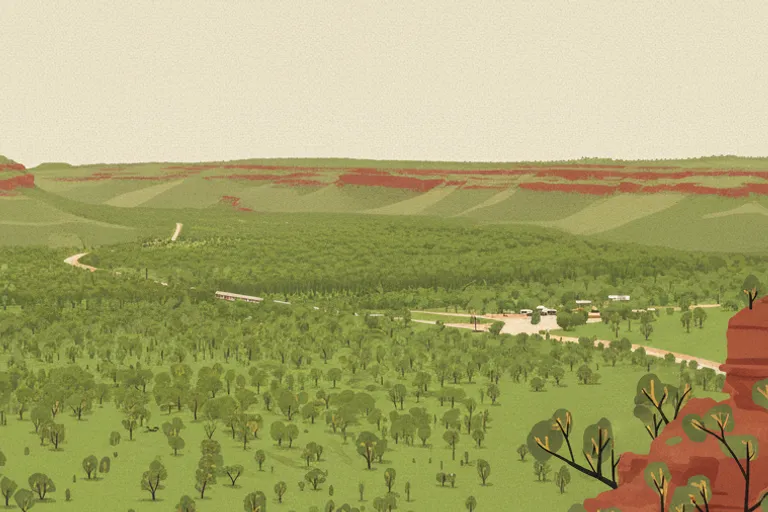
Illustration of Mathison Rest Area03

Mathison Rest Area

Katherine and the Victoria Highway

A signed 24-hour stop 102 km west of Katherine and 407 km short of Kununurra, with barbecues, picnic tables, a water supply, shelter and a toilet. It falls about where most towing rigs want to break the Katherine to Kununurra leg, and it is a practical staging point for Judbarra / Gregory National Park further west.

24-hour campingToiletWater supplyBBQShelter
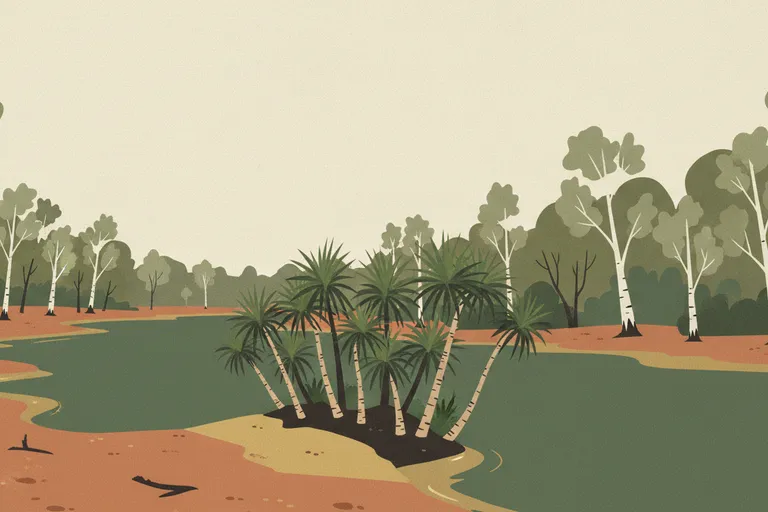
Illustration of King River Rest Area04

King River Rest Area

Katherine region

Listed by the NT Government simply as King, 46 km south of Katherine on the Stuart Highway, with barbecues, picnic tables, a water supply, shelter and a toilet. Overnight camping is allowed for 24 hours. Close enough to Katherine to fuel and fill up first, far enough out that the road-train traffic thins after dark.

24-hour campingToiletWater supplyBBQShelter
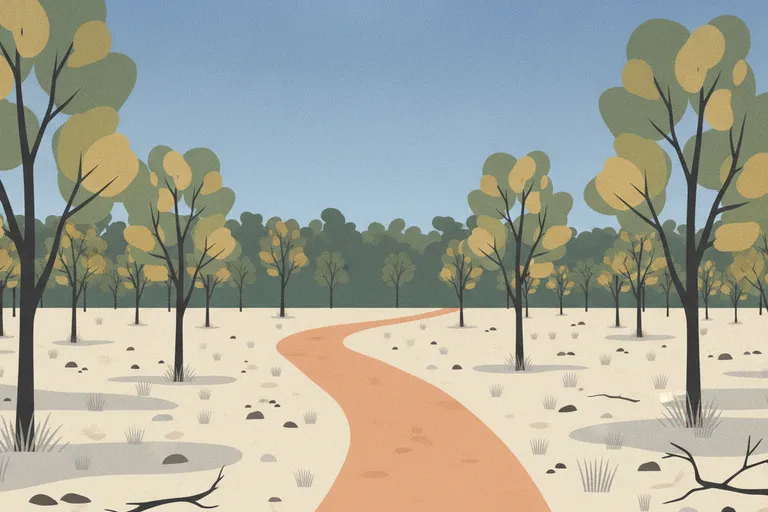
Illustration of Warloch Rest Area05

Warloch Rest Area

Katherine region

A signed 24-hour stop 142 km south of Katherine on the Stuart Highway, past Mataranka. Barbecues, picnic tables, a water supply, shelter and a toilet. Worth knowing about when the Mataranka and Bitter Springs parks are full, which happens routinely through the dry season. Boil or filter the water before you drink it.

24-hour campingToiletWater supplyBBQShelter
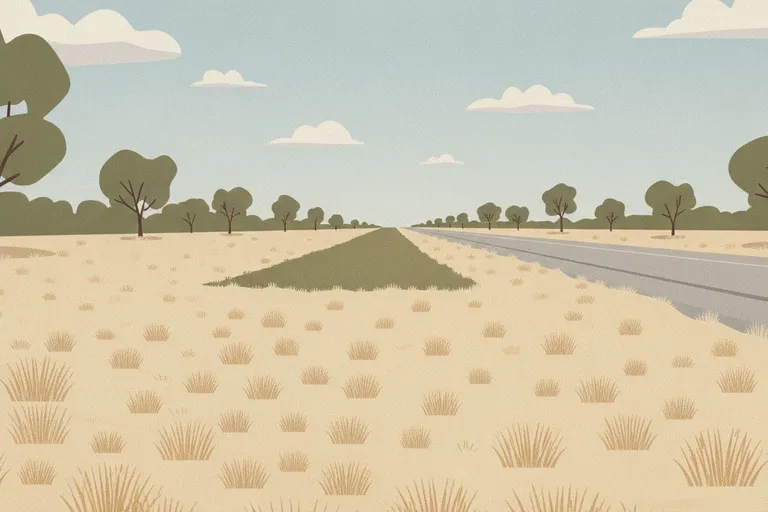
One of the better-equipped free stops on the Stuart Highway, 274 km north of Tennant Creek and 396 km south of Katherine. The NT Government lists barbecues, picnic tables, a water supply, shelters, a toilet and an information bay, with 24-hour overnight camping allowed. Open ground with room for a caravan to pull through without unhitching.

24-hour campingToiletWater supplyBBQSheltersInfo bay

A roadside rest stop inside Attack Creek Historical Reserve, 74 km north of Tennant Creek, marking where John McDouall Stuart turned back in 1860 after a confrontation with Warumungu people. Parks and Wildlife allows 24-hour camping in the roadside stop and lists toilets and shelters, but fires are not allowed anywhere in the reserve, pets are generally not allowed, and you must carry your rubbish out.

24-hour campingToiletWater supplySheltersNo campfires
Illustration of Frewena Rest Area08

Frewena Rest Area

Barkly Highway

A signed 24-hour stop on the Barkly Highway, 132 km east of Threeways and 315 km short of Camooweal. Barbecues, picnic tables, a water supply and a shelter, but no toilet, so it suits a self-contained rig. The Barkly is long, flat and near featureless, and the spacing of these stops is what structures the day.

24-hour campingNo toiletWater supplyBBQShelter
Illustration of Avon Downs Rest Area09

Avon Downs Rest Area

Barkly Highway

The last well-equipped free stop before Queensland, 70 km west of Camooweal and 57 km from the border. Barbecues, picnic tables, a water supply, a shelter and toilets, with 24-hour overnight camping allowed. A sensible place to reset before a border crossing, because there is very little either side of it.

24-hour campingToiletsWater supplyBBQShelter
Illustration of Bonney Well Rest Area10

Bonney Well Rest Area

Tennant Creek to Alice Springs

A signed 24-hour stop 89 km south of Tennant Creek and only 14 km north of Karlu Karlu / Devils Marbles, where the campground charges a booked fee and bans pets and generators. Barbecues, picnic tables, a water supply and a shelter, but no toilet. If you want the Marbles at sunrise without paying to sleep beside them, or you have a dog or a generator, this is the closest free option.

24-hour campingNo toiletWater supplyBBQShelter
Illustration of Taylor Creek Rest Area11

Taylor Creek Rest Area

Tennant Creek to Alice Springs

A well-set-up free stop 184 km south of Tennant Creek and 321 km north of Alice Springs, with barbecues, picnic tables, a water supply, shelters, a toilet and an information bay. Overnight camping is allowed for 24 hours. It breaks the long Tennant Creek to Alice leg at close to the point most towing rigs are ready to stop.

24-hour campingToiletWater supplyBBQSheltersInfo bay
Illustration of Mount Stuart Reserve12

Mount Stuart Reserve

Tennant Creek to Alice Springs

The NT Government lists this as Central Mount Stuart Historical Reserve, a signed 24-hour stop 215 km north of Alice Springs. There is a barbecue, picnic tables, a water supply and an information bay, but no toilet and no shelter on the official list, so it is a stop for a self-contained van rather than a tent.

24-hour campingNo toiletWater supplyBBQInfo bay
Illustration of Prowse Gap13

Prowse Gap

Central Australia

A signed 24-hour stop 145 km north of Alice Springs on the Stuart Highway, with barbecues, picnic tables, a water supply, shelter and a toilet. One of the better-equipped free stops on the northern approach to Alice, and the nearest listed stop south is Ryans Well, 22 km on, which has no facilities listed at all.

24-hour campingToiletWater supplyBBQShelter
The Tropic of Capricorn marker 29 km north of Alice Springs, and a signed 24-hour overnight stop with a barbecue, picnic tables, a water supply, shelter and a toilet. Close enough to town to be busy and to catch highway noise, but it is the free fallback if you arrive late and the Alice parks are booked out.

24-hour campingToiletWater supplyBBQShelter
Illustration of Finke River Rest Area15

Finke River Rest Area

South to the SA border

A signed 24-hour stop 126 km south of Alice Springs, where the Stuart Highway crosses the Finke. Barbecues, picnic tables, a water supply, shelter and a toilet are listed. The Finke runs only after rain, so plan for a dry, exposed desert stop: the only shade is the shelter roof, there is no power, and summer here is punishing.

24-hour campingToiletWater supplyBBQShelter
Illustration of Desert Oaks Rest Area16

Desert Oaks Rest Area

South to the SA border

A well-equipped free stop 167 km south of Alice Springs, with barbecues, picnic tables, a water supply, shelter and a toilet, and 24-hour overnight camping allowed. The next listed stop south is the NT and SA border rest area, 128 km on, with the same facilities plus an information bay. Erldunda, at the Lasseter Highway turn-off a little further south, is the next fuel.

24-hour campingToiletWater supplyBBQShelter
Timing

When to go: two climates, one Territory

The Top End, which covers Darwin, Katherine and Kakadu, has two seasons rather than four. The Wet runs November to April, with monsoonal rain and storms, minimums around 25°C, maximums around 33°C and humidity above 80 per cent. It restricts travel to some areas, closes unsealed roads and park sites, and turns low-lying rest stops into places you do not want a caravan. The Dry, May to October, sits around 21°C to 32°C with much lower humidity, and it is the only season in which the northern half of this list reliably works. All year round, camp at least 50 metres back from the water and treat every Top End river, creek and billabong as crocodile habitat.

Central Australia is the opposite problem. Alice Springs, Tennant Creek, the Barkly and Uluru get four seasons with big swings: summer from December to February averages 20°C to 35°C and can top 40°C, while winter from June to August averages 3°C to 20°C and drops below zero overnight. A highway rest stop offers a shelter roof, no power and no shade you can count on, so summer free camping in the Red Centre is genuinely risky rather than merely uncomfortable. April to September is the window.

Fire and closures cut across both. Bushfires NT declares fire danger periods for the Top End and Central Australia at different times, and a fire ban can be declared for up to 24 hours over any part of the Territory. Under a ban you must not light a fire in the open, though a gas or coal barbecue is still allowed, and so is a small cooking fire that is alight only while you cook, 4 metres clear, attended and put out straight after. Outside a ban the NT does not require a permit for a small cooking or comfort fire, provided it is at least 4 metres clear of anything flammable, never left unattended and fully out before you leave. Parks and reserves can close at short notice for flooding or bushfire, so check the NT road report and the park page before you commit to a leg.

FAQ

Common questions

Can you free camp in the Northern Territory?

Yes, but mostly on the road network rather than in the parks. The NT Government signs many of its highway rest stops for 24-hour overnight camping, and those are free with no booking and no check-in. Almost every campground in an NT park or reserve charges a fee you must book and pay online before you arrive.

How long can you stay at an NT rest stop?

Twenty-four hours, at the stops signed for overnight camping. The NT Government publishes the rest stops on the Stuart, Barkly and Victoria highways and states for each one whether 24-hour overnight camping is allowed. Some are marked camping not permitted, including Coomalie Creek and Manton Dam south of Darwin, so read the sign before you unhitch.

Do you have to pay to camp in NT national parks?

Yes, in almost every case. NT park campgrounds are priced by facilities: A$10 an adult a night for a basic Category B ground, A$15 for Category A and A$20 for the premium Category D sites. You must book and pay online before you go, because you cannot pay at the park. Visitors to the NT also need a Parks Visitor Pass, from A$10 a day to A$60 a year.

Do I need a permit to camp on Aboriginal land in the NT?

Yes. Aboriginal land is private land, and a written permit from the relevant land council is required to enter it: the Central Land Council in the south, the Northern Land Council in the Top End, which asks you to allow up to 10 days. A transit permit lets you drive through, not stay: the Central Land Council states that camping along the Mereenie Loop Road is not permitted, and that on the Tjukaruru Road camping is only allowed at the Kaltukatjara (Docker River) campground.

Can I have a campfire while free camping in the NT?

Usually, outside a declared fire ban. The NT does not require a permit for a small fire for cooking, boiling water or comfort, provided it is at least 4 metres from bush or other flammable material, never left unattended and put out before you leave. During a fire ban you must not light a fire in the open, though a gas or coal barbecue is still allowed, and so is a small cooking fire kept alight only while you cook. Some reserves ban fires outright, including Attack Creek.

How far from the water should I camp in the Top End?

At least 50 metres. NT Government camping safety advice is to camp 50 metres back from the water in the Top End and to be crocodile aware. Saltwater crocodiles live in Top End rivers, creeks and billabongs, including water that looks too small or too far inland for them. Swim only where a sign says you can, and never clean fish at the water’s edge.

Can I take my dog free camping in the NT?

Often not in the parks: the NT Government states that dogs and cats are generally not allowed in NT national parks and reserves, and some highway stops sit inside a reserve, such as Attack Creek. Most other rest stops are roadside land, so check the sign at each one. Check the individual park page before you travel, and never leave a dog in a closed vehicle in the Territory.

Town by town

Northern Territory towns with free camps

5 Northern Territory towns on VanScout have at least one free camp, rest area, showground or national-park campground. Each town page names every one and gives the distance from the town centre.

Find free stops for your Territory run

VanScout puts free camps, rest areas and caravan parks along your route in one search, with live availability wherever parks support it and a filter for the ones with a dump point. Start free and have the next leg sorted before you leave town. Live availability is Premium, free for your first 7 days.

Start planning free

Last updated 6 November 2026